
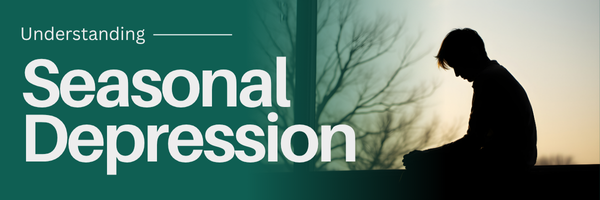
Understanding Seasonal Depression During the Holidays
By: The Second Chances Team
The holiday season is often described as a time of joy, celebration, and connection. However, for many individuals, this time of year can also bring feelings of sadness and isolation. These experiences are common symptoms of seasonal depression, also known as Seasonal Affective Disorder (SAD).
At Second Chances, we recognize that the winter months can present unique emotional challenges, especially for individuals in recovery. Understanding seasonal depression and learning how to manage it can play an important role in maintaining both mental health and sobriety.
What is Seasonal Depression?
Seasonal depression is a type of depressive disorder that typically occurs during the fall and winter months when daylight hours are shorter. Reduced sunlight can affect the brain’s levels of serotonin and melatonin, which influence mood, sleep, and energy levels.
Common symptoms of seasonal depression may include:
-
- Persistent sadness or low mood
- Loss of interest in daily activities
- Changes in appetite or weight
- Low energy or fatigue
- Difficulty concentrating
- Feelings of hopelessness or guilt
These symptoms can vary in intensity and often begin to improve as spring approaches. For individuals in recovery, however, the emotional impact of seasonal depression can be a potential trigger for relapse if left unaddressed.
Strategies for Managing Seasonal Depression
While seasonal depression can be challenging, there are evidence-based strategies that can help manage symptoms and support emotional balance during the winter months:
-
- Light Exposure: Spend time outdoors when possible or consider using a light therapy box as recommended by a healthcare professional.
- Stay Connected: Reach out to support groups, family, or peers in recovery. Connection helps reduce isolation and promotes accountability.
- Maintain Structure: Keep a consistent daily routine that includes sleep, exercise, and balanced nutrition.
- Seek Professional Support: Counseling and medical care can provide effective treatment and coping strategies.
- Practice Self-Compassion: Understand that seasonal depression is not a sign of weakness. It is a medical condition that can be treated and managed with the right support.
Finding Hope this Holiday Season
The holidays can bring both joy and difficulty, and it is normal to experience a range of emotions. At Second Chances, we are here to help our community find hope and healing in every season. If you or someone you love is struggling with depression or addiction, contact our 24/7 information and intake line at 833.780.3088 to learn more about our programs and support services. Second chances are only a call away.
Recent Comments