
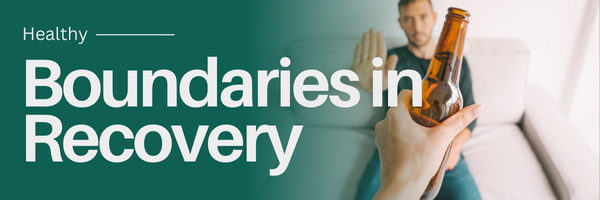
Healthy Boundaries in Recovery
By: The Second Chances Team
One of the challenges many individuals face in recovery is learning how to set limits. Boundaries help create a sense of safety, stability, and self-respect, all of which are essential for maintaining sobriety and emotional health.
Why Healthy Boundaries Matter in Recovery
Boundaries define what is acceptable and what is not in relationships and daily life. During active addiction, boundaries often become blurred or ignored.
In recovery, clear boundaries help individuals:
-
- Reduce exposure to triggers
- Protect emotional and physical safety
- Build healthier relationships
- Increase self-respect and confidence
- Maintain focus on recovery goals
The Role of Communication in Setting Boundaries
Effective communication is essential when building boundaries. Many individuals in recovery fear conflict or worry about disappointing others. However, clear and respectful communication strengthens relationships and prevents misunderstandings.
Helpful communication tips include:
-
- Use direct and honest language
- Speak calmly and confidently
- Focus on your needs rather than blaming others
- Avoid overexplaining or apologizing excessively
The Importance of Learning to Say No
Saying no is one of the most challenging but necessary skills in recovery. It may involve declining social events that involve substances, limiting contact with unhealthy influences, or setting limits at work or within family dynamics. Recovery requires prioritizing health and well-being, even when it feels uncomfortable, and over time, saying no becomes easier and reinforces confidence and independence.
How to Build and Maintain Healthy Boundaries
Building boundaries is a process that takes time and practice. The following steps can help:
-
- Identify personal limits: Recognize situations or behaviors that cause stress or risk sobriety.
- Start small: Begin setting boundaries in lower-risk situations.
- Be consistent: Boundaries are most effective when they are maintained over time.
- Accept discomfort: Discomfort is a normal part of change and does not mean the boundary is wrong.
- Seek support: Therapists, sponsors, and support groups can provide guidance and encouragement.
At Second Chances, we help individuals develop the skills needed to set and maintain boundaries as part of a comprehensive recovery plan. If you or someone you love is struggling with addiction, our professional support can provide the tools needed to build a healthier lifestyle.
Contact our 24/7 information and intake line at 833.780.3088. Second chances are only a call away.
Recent Comments